The Pelvic Floor and Osteopathy

The pelvic floor is, as the name suggests, a sling of muscles that sit at the base of the pelvis. Their role is to support the organs within the pelvis, and assist with urinary and faecal continence. Its function is relevant to osteopathy, as dysfunction in these muscles can impact nearby muscles and joints.

Relevance to Everyone

We hear a lot about pelvic floor exercises for new mothers and older women. But everyone has a pelvic floor (men too!), and it makes sense to keep the muscles strong before they present a problem. Beyond local fatigue and pain to the muscles, when demand is higher than the muscles can tolerate, they can put a strain on neighbouring structures, resulting in lower back or leg pain. The image above shows how some of the muscles connect to the tailbone and sacrum. The tailbone in particular can be relatively prone to discomfort from problems like this- its only joint is to the bone above it, so tension pulling it one way can be hard to correct. The tailbone can be irritated by a fall other trauma, including birth, which can in turn cause tension in the pelvic muscles and glutes. A strong pelvic floor is more resilient to these demands.

Prenatal Preparation

If you were planning on running a marathon, you’d train for months beforehand. Pregnancy is not unlike a marathon- for nine months there is a constantly growing weight on the sling of muscles, and they need to be able to cope with this demand, regardless of the nature of the birth. Beginning a routine of pelvic floor exercises before even trying to conceive is not a bad idea: it’s never too early to begin training the pelvic floor.

The Pelvic Floor and Osteopathy

We talk a lot about the diaphragm and its relationship with problems above and below it. The pelvic floor works similarly to the diaphragm: resisting pressure in the abdomen and often inadvertently holding stress and tension. Tension may be more likely to manifest if the muscles are weaker, as they already have to work harder. This also means that weaker muscles are less able to relax. Strengthening exercises may therefore be appropriate even for tight muscles, but it is imperative that relaxing the muscles between contractions becomes a main focus.

Combining a roots-up approach of addressing the muscles’ strength alongside any other related musculoskeletal aches and pains may therefore be the most appropriate course of action for you. Direct or indirect techniques for the pelvic muscles as well as the lower back or leg muscles and joints is one approach to addressing aches and pains within the pelvis or elsewhere. We understand that this is a sensitive area, and as with anywhere else, nothing will be done without your ongoing consent. For comfort, we recommend wearing close fitting shorts to your appointment for maximum modesty while also allowing us to examine any relevant muscles and joints thoroughly.

Click here to make an appointment for your pelvic floor in Naas

Neuralgia

“Neuralgia” just means “nerve pain”, but it is a term used more specifically than that. It has been defined as:

“intense, typically intermittent pain along the course of a nerve, especially in the head or face.”

Trigeminal Neuralgia

The trigeminal nerve is a nerve that supplies the face with feeling and movement. “Tri-” in its name refers to the three branches it splits into on either side, illustrated above. Typically with trigeminal neuralgia, only one side of the face is affected, and it is rare that all three branches would be symptomatic at once.

Symptoms are episodic but intense. Sharp, extreme pain in the affected area of the face can be caused by facial movement or even light touch to the skin. The pain can last a few seconds to a couple of minutes. There are other conditions that can cause episodic facial pain, such as migraine or dental problems, so these need to be considered when making a diagnosis. Your GP may want to send you for an MRI to be certain.

Unfortunately, often the exact cause of trigeminal neuralgia is unknown. Generally it is considered an issue of nerve compression somewhere near the top of the spinal cord or where the nerve exits the skull. You may find that gentle osteopathic treatment to the head and neck can help to manage your symptoms over time.

Post-Herpetic Neuralgia

Chicken pox is caused by a virus in the herpes family, which can lay dormant in the nervous system for years after the initial infection before attacking again as shingles. It often causes blisters along the course of a nerve, which can be particularly clear around the ribs where a nerve travels between each rib. For most people it will be unpleasant, but will resolve without too much complication. But for about 20% of people, it can lead to post-herpetic neuralgia.

Symptoms include a sharp pain between the ribs that may be intermittent or constant. The skin in that area may also be hyper sensitive to stimuli that are not normally painful. Usually symptoms will resolve within a year, but sometimes they persist for much longer. Your GP may be able to support you with prescribed painkillers that are more effective for nerve pain. Your osteopath may also be able to help with desensitising techniques.

Pain that lasts more than three months is considered chronic and may be treated differently by the nervous system. The sooner you can seek treatment for your pain the better, but there are still be things we can do to help the 10-20% of the population affected by it.

Sciatica

Technically sciatica is a neur (nerve) algia (pain), although it is not usually considered to be under the same umbrella as the conditions above. Pain is not always so intense, and other symptoms such as pins and needles or numbness can be more significant. Irritation can be caused by mechanical issues along the nerve, and your osteopath can work to identify those causes and relieve you of them.

Click here to make an appointment in Naas for your nerve pain

Digestion

Osteopaths are qualified to help with a diverse range of problems. It may come as a surprise to learn that some digestive issues are within our remit.

The Diaphragm and Acid Reflux

We work a lot with muscles, so working with the diaphragm to help manage some digestive issues is comfortable territory. The diaphragm is a sheet of muscle that separates the thorax from the abdomen, sitting between the lungs and stomach. Its main role is to inflate and deflate the lungs, but it also helps to support the sphincter at the top of the stomach. This sphincter serves a purpose of preventing the flow of stomach contents back up the oesophagus (food pipe). When this does happen, you get heartburn or symptoms of reflux.

Stress can cause tightness in the diaphragm, which can affect the muscle’s function and lessen its ability to support the sphincter.

Reflux can also affect babies. Click here to read our post on infant reflux and silent reflux.

Irritable Bowel Syndrome (IBS)

IBS is a common problem, and can cause bloating, constipation, cramps, and diarrhoea. There is no one test for IBS, but it can present similarly to other conditions that may be ruled out through medical testing.

A key part of managing IBS is to work out what triggers your symptoms: a food diary can help here. But some people also find that hands on treatment such as osteopathy can help. Research looking at a potential relationship between manipulation of the spine (clicking the joints in the back) and IBS symptoms showed some hopeful results. A possible explanation for this is that the clicking might have a calming effect on the nerves that run near the joint, such as those that supply the bowel. “Resetting” these nerves might give relief to some people.

Digestive Issues and the Rest of the Body

Beyond treating digestive issues themselves, your osteopath will consider your body as a whole. When you have abdominal symptoms, you might find yourself taking on a more hunched posture subconsciously. This is a common response to abdominal pain, but over time it can cause other areas in the body to react and compensate.

We frequently see problems associated with upper back stiffness in clinic. The upper back can become restricted without causing too many local symptoms, so often the first symptom is down to the lower back or neck working harder. Prolonged hunching over a desk can be the cause of this, but similarly, postural changes due to abdominal discomfort can have the same effect. Work to improve movement through the upper back might not have a direct impact on your abdominal symptoms, but better movement in one area means that other areas are not overworking to accommodate it. Treatment might include work to the joints, whether clicking or gently mobilising them. Massage work to local muscles and the diaphragm can also be beneficial.

To complement the progress made in clinic, you may be given exercises or advice for things to do at home. Alongside a food diary, you might find that breathing exercises help, as they work through the diaphragm and can reduce your stress response.

New Parents' Pains

The long-awaited but sudden transition into parenthood puts all sorts of demands on the body for both parents. Osteopathy can help with the muscle and joint pains, and we can offer some advice for changing your discomfort-inducing habits too.

Carrying Baby

Babies often seem happiest when being held, so it’s not surprising to realise that you’re holding your baby much more than you might have anticipated. If your baby likes to be as close to you as possible, have a look at baby-wearing carriers or wraps. A comfortable one will spread baby’s weight through your upper and lower back, allowing you to soothe them while getting on with your day.

As baby gets heavier and more mobile, their mattress will need moving deeper into the cot. This can make it much more difficult to pick baby up and set them down, so make sure you’re using your legs wherever possible, and listening to your body if you do feel any twinges. Exercises to keep the whole back moving might be a suitable plan of action, and your osteopath can help you with this.

Infant Feeding

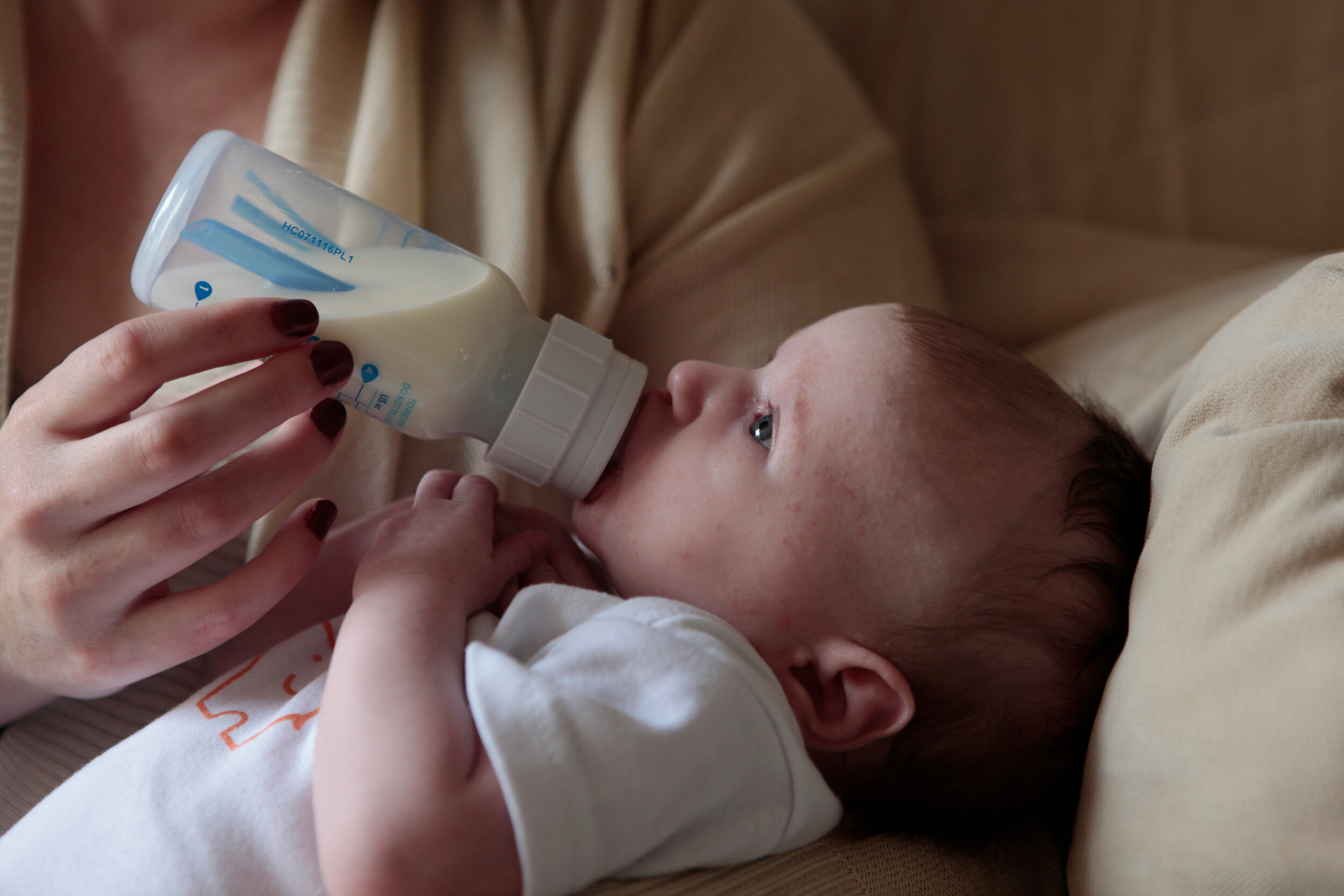
If you’re feeding with a bottle, try and keep track of which side you held baby on last. You might find that you favour one side due to the positions that your furniture supports best, but mixing it up is good for you and baby. Management for torticollis and plagiocephaly put a lot of emphasis on giving baby opportunities to strengthen both sides of the neck.

For feeding in bed or on a sofa, try and set yourself up with pillows or cushions before you get started- it’s easier to throw out an extra pillow than squeeze another one in once baby’s latched on. Make sure your arms are supported enough that the shoulders can relax, and the upper back and neck aren’t straining.

Breastfeeding

Finding a comfortable position in which to breastfeed can be a struggle. But you might find you have access to positions that wouldn’t work so easily for bottle feeding too. The same ideas apply as above: keep your arms supported to take the strain off the neck and shoulders. If you’re feeding in bed, you might like to lay back and have baby belly to belly with you, or lay on your side and have baby laying on the mattress with you. Be aware of the safe sleep 7 if you are prone to falling asleep during feeding.

The Upper Back

The upper back is particularly susceptible to overworking when you have a new baby, and often this can be completely asymptomatic. Problems arise when the restriction in the upper back begins to have a knock-on effect for another area, typically the lower back or neck. This might manifest slowly as recurrent headaches or neck tension, or it might be more dramatic and lead to a sudden disc bulge or muscle strain.

Your osteopath will be able to spot these developing patterns, even if you’re not feeling any discomfort.

Make here to make an appointment in Naas for your aches and pains

Diastasis Recti

During pregnancy, the abdominal muscles need to adapt to make room for the growing uterus. Diastasis recti (DRA) is when the muscles on the front of the abdomen separate (as they should), but do not come back together as well as expected after pregnancy. Please note that recovery after giving birth is a slow process, and although guidelines for DRA are limited, we do not recommend assessing, diagnosing, or attempting to treat DRA before 6 weeks postpartum.

Anatomy of Diastasis Recti

The muscles on the anterior abdominal wall are joined in the middle by the linea alba. This is a long piece of tissue, not dissimilar to a tendon, that runs from the bottom of the sternum (breastbone) to the pelvis. It is able to stretch to accommodate a growing baby (or other mass, including fat), but it is not contractile tissue like muscle. This means that it does not shrink back quickly once the need for expansion is removed.

Diagnosing Diastasis Recti

Frustratingly, there is little in the way of guidance for diagnosing or managing DRA. Good resources urge practitioners to take the depth of separation into account, as well as the width and length. As mentioned above, this should not be assessed before 6 weeks post partum, as diagnosing muscle separation before the body has had a chance to heal is not useful.

When you are past the 6 week mark, your osteopath can help you to test for a diastasis, or you can do it yourself. In clinic this will be done with you laying on your back on the plinth, or you can do it at home on your bed or the floor:

  1. Laying on your back with your knees bent, place your fingers gently on the centre of your abdomen. A diastasis often occurs around the belly button, but it can be anywhere from the bottom of the sternum to the pelvis. You may need to reassess with your hands in a different place to be sure where your diastasis is.

  2. Raise your head up as if looking down at your tummy, so that the abdominal muscles engage.

  3. If you feel a gap under your fingers with the muscles engaged either side, you may have a diastasis.

General guidance suggests that a gap smaller than two finger widths does not warrant a diagnosis. You may still benefit from some rehabilitative exercises, especially if the gap is deep.

Effects Elsewhere

We often think of core “weakness” as a factor in lower back pain. Research is actually quite inconclusive, and a diastasis is not always a sign of muscle weakness anyway.

There is a stronger link between diastasis and hernia, which makes sense as there is less tissue for the intestines to push against before they can form a hernia here. This is more reason to avoid high intra-abdominal pressure, as you would get from exercises like crunches. If you feel a lump that you suspect is a hernia, you should get it checked to be sure. Note that the strangulation of a hernia, or a hernia that is significant enough to cause a bowel blockage are red flags. Severe abdominal pain or a reduction in bowel movement should be investigated urgently if you have a hernia.

Management Strategies

The best approach is focused on strengthening exercises. This is a slow process, as the stretched tissue itself is not a muscle, but it may be influenced by the muscles that it attaches to. Core exercises are good, but you need to address lateral and rotational movements as well as the usual flexion- and crunch type exercises are best avoided. Your osteopath can work with you to devise an exercise plan that suits you best, using exercises such as planks, side planks, and other variations. Don’t underestimate the demand of day to day activity on your core either; for example walking incorporates the movements mentioned above with minimal strain.

Click here to make an appointment for your diastasis in Naas

Cervicogenic Headaches (From the Neck)

Headaches can be notoriously difficult to find a root cause for. Some headaches come from structures in the neck, which can be relatively easy to test for. In many cases, treatment can be quite straight forward too.

Identifying Cervicogenic Headaches

Cervicogenic just means “from the neck”. Symptoms can be quite similar to tension-type headaches (TTHs), for which treatment is different. The main difference between the two is that TTHs are considered “primary headaches”. This means that they are not caused by another condition. Cervicogenic headaches can be diagnosed whenever a headache can be attributed to a known issue in the neck, either by clinical diagnosis or imaging. Alternatively, they can be diagnosed if two of the following points are true:

  1. A headache develops alongside the development of a neck problem

  2. The headache improves or resolves when the neck problem does the same

  3. Neck movement is limited, and some movements aggravate the headache

  4. Diagnostic blocks (such as nerve blocks) effectively remove headache symptoms

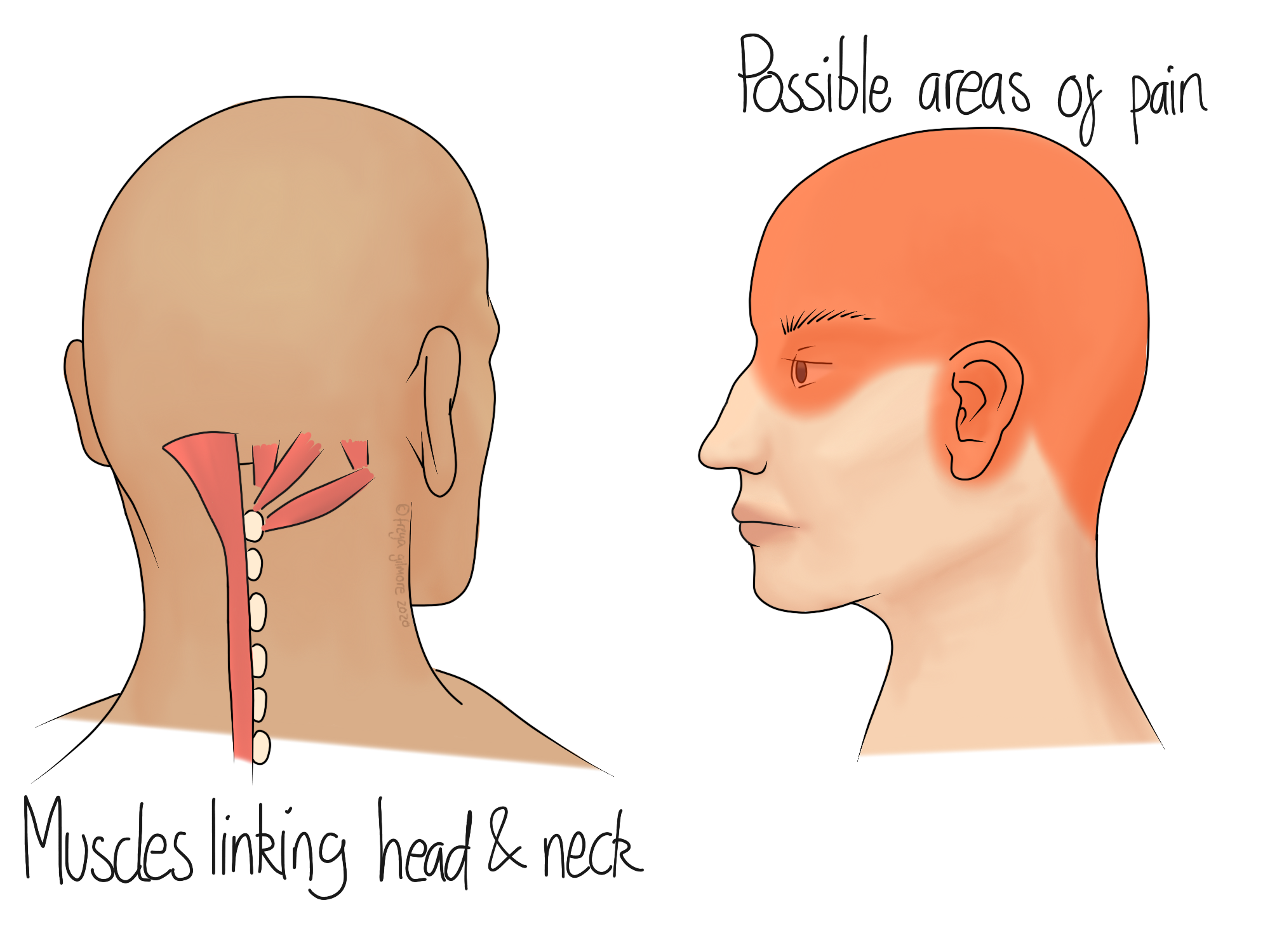
Symptoms can be anywhere in the red area illustrated. Despite covering the eye, they will not cause visual disturbances. Dizziness and nausea are not typical symptoms either. Headaches with these additional symptoms may indicate migraine, for which we may still be able to help. Pain may feel like it radiates up from the neck and over the top or side of the head. If the cause is a tight muscle in the neck, you might find that a warm compress on the neck, or resting the head help. For other causes, a cool compress may be more beneficial. Your osteopath can advise the more appropriate for you.

Tension Type Headaches

TTHs have the following symptoms:

  1. They cause pain on both sides of the head

  2. The pain can be described as pressing, or tightening, but not pulsating

  3. Intensity of the pain is mild to moderate

  4. Typical physical activity, like walking or going up stairs, does not aggravate symptoms

There can be a lot of variation between TTHs, and a single headache can last anywhere from 30 minutes to over a week. In contrast, cervicogenic headaches usually last less than a day, but may be frequent.

Managing Cervicogenic Headaches

Osteopaths are qualified to help with these kinds of headache. We will assess the neck, and usually the upper back too, to determine what structures may be having an effect. Often the muscles and joints of the neck are overworked by restricted areas further down the spine. This can be particularly evident with underlying conditions like osteoarthritis. When arthritis affects the hips, it can encourage you into a forward posture, for which the neck has to compensate. In cases like these, we might find that improving hip and lower back function takes the stress off the neck, and improves the headaches.

Whatever the underlying cause, or causes of your headaches, your osteopath will work to identify as many as possible. Treatment is gentle and drug free, using massage, stretching, and joint manipulation techniques to improve function throughout the body. We aim to take the burden off the overworked areas and get your whole body moving more comfortably and efficiently.

Click here to make an appointment in Naas for your headaches

Tennis Elbow

Tennis elbow is the common name for lateral epicondylitis. The epicodyle is part of the humerus (upper arm bone) that sits close to the elbow. It is where the muscles attach that control wrist movement. The "-itis" in the name refers to the inflammation that occurs in the condition, which is focused around the connection between the muscle and the bone.

"Tennis" Elbow

Despite the name, the condition can develop without the patient ever having touched a tennis racket. The muscles that become problematic are the same that are used in a backhand swing, but of course this is not all they are used for. Moving a heavy kettle or pan of water can put demand on the same muscles, known as the wrist extensors.

Golfer's Elbow

The opposite side of the arm can be affected in the same way. This is medial epicondylitis, colloquially known as "golfer's elbow". As before, you can develop this condition without playing the sport it is named after. Wrist flexion could be overused when carrying large shopping bags that would drag on the floor unless you engage your wrist. Even carrying a child for a long time could require extra work from these muscles.

The Process

Rather than tennis elbow being an example of a tight muscle, it's a process beyond that. If the muscle is tight or strained enough for long enough, it can begin to irritate the join between muscle and bone. This causes inflammation, at which point symptoms can change. Whereas before there might have just been some local aching or tenderness in the muscle, the pain may become more deep and persistent. Inflammation often responds well to a cool compress whereas simple muscle tightness often prefers heat. Your osteopath will ask if you've found anything that makes the symptoms better or worse, so these factors can be quite telling.

Osteopathy and Tennis Elbow

Your osteopath will take a holistic approach at managing your pain. We want to get to the bottom of why the condition developed in the first place, as well as providing relief. Treatment itself might involve massage techniques to the affected muscles, as well as mobilising techniques for the elbow and wrist joints. Self management can be really important here, especially if the cause is identified as a factor that could be modified.

When epicondylitis is actually related to racket sports, sometimes it can respond to a simple change in the grip. If you racket's grip is skinny, it asks the affected muscles to work harder just to hold on, predisposing the problem before the game has even started. Wrapping the handle with an additional roll of grip tape might ease the load enough for you to continue playing while getting better.

If your symptoms are worse in the morning, it might be related to your sleeping position. We don't often recommend braces to immobilise joints, but in this case it might be appropriate. An off-the-peg wrist brace can sometimes be a good way to prevent tension in the affected muscles overnight, especially if you find that you sleep in a curled up position. You won't be wearing the brace while awake, as general movement is key to maintaining strength and mobility. It also helps to move the inflammation along.

Click here to make an appointment for your tennis elbow in Naas

Chronic Pain

When pain persists for over three months, it is considered chronic. When it is present for a long period like this, it can affect the patient biologically, psychologically, and socially.

Chronic pain is complex, and influenced by a number of factors. The image above shows a few. Physical health plays a role, affected by sleep, smoking, and diet. Psychology is important too- if someone is told that their bones are “crumbling” it will affect the way they move and trust their body. Some medications can increase sensitivity to pain, and ongoing insurance claims can genuinely affect symptoms.

How Chronic Pain Works

You can think of pain as a protector- it is there for a reason. It can be overprotective though, becoming hypersensitive. This can manifest as more intense pain than normal, or pain in response to things that shouldn’t cause pain.

The hypersensitivity can be blamed on the nervous system. The area in pain is not to blame. But the nervous system is influenced by so many different things, it can be hard to make changes on your own. A doctor may prescribe painkillers to help you get on top of things, but patients often don’t want to take them for too long. Side effects can be unpleasant, or they may be concerned that the cause has not been addressed. Pharmacology can work really well alongside therapies like osteopathy to start to unpick the problem.

Ongoing Stimulus

Chronic pain can be caused by a condition, such as osteoarthritis, that continues to produce pain. This is known as “secondary chronic pain”. Although this can be associated with the hypersensitivity mentioned above, it is not always. This kind of pain is easier to manage, as fixing or improving the cause will reduce the pain.

Primary Chronic Pain

If your pain cannot be attributed to another condition, it is considered primary chronic pain. Fibromyalgia is one of a handful of conditions that count as a primary cause.

There is a grey area over chronic lower back pain. It can be difficult to pinpoint the exact cause of a case of lower back pain. Even MRIs are imperfect, as many people have structural changes (like bulging discs) without any symptoms. We know that chronic lower back pain does exist once the original problem has resolved, and in this case it would be considered primary. But it is not always clear if someone’s original stimulus has resolved or not.

Your osteopath has tests they can perform to help decipher the cause of your pain. If you have already had investigations like imaging and blood tests, bring your results to your appointment as they may be useful.

Osteopathy and Chronic Pain

Whether your pain is primary or secondary, we may be able to help. We mentioned above that pain is influenced by many factors, but fortunately osteopathy addresses a number too. Beyond the mechanical parts of the picture, we can help with lifestyle advice, reassurance, and education to name a few. Outcomes are better among empowered patients who understand what is happening and why. We cannot cure all chronic pain, but if we may be able to help you manage it.

Book an appointment to address your chronic pain here.

Your Baby’s Milestones

Health professionals use milestones, among other things, to monitor your baby’s progress. “Normal” is a broad range, so try not to get too hung up on specific numbers. Sometimes, delays in hitting milestones can be down to mechanical reasons such as tight muscles. In these cases, your osteopath may be able to help.

Head control

From the first few days and weeks of life, baby will begin to show interest in holding their head up. At first, this is only really possible when they are positioned upright and their head is easily balanced. With time and practice, they will begin to be able to turn both ways when upright or laying down. Around the same time, they’ll start getting stronger and find it easier to lift their head from more reclined positions.

Some babies struggle to turn both ways. It might be a subtle problem, as they might be able to function without going into their unfavoured side. For breastfed babies, the first sign might be that they are less efficient or tolerant of feeding on one side. You might also notice that when you lay baby on their back, they always turn the same way. Repetitive pressure on the same area of the head can lead to a flat spot. You can read more about plagiocephaly here.

The restriction of neck rotation can be due to torticollis. This is a condition that can be present from birth, or might arise later on. Tightness in a muscle on the front and side of the neck can limit movement in much the same way we suffer from a cricked neck in adulthood. This tightness is usually quite a simple problem that is well within your osteopath’s remit.

Sitting

Although sitting sounds quite straight forward, there are a few common issues that can arise. Practice often makes perfect, so ensuring baby has time to work on sitting, in a lace where falling over won’t cause an injury is important. A good selection of toys or anything that they might want to safely explore will help with motivation.

Some babies throw themselves back when they get into a sitting position. Typically, this is due to an imbalance in strength between the muscles on the back and the abdomen. These babies might be really good at tummy time and have great head control. As a result, they might be reluctant to sit, and prefer to spend more time on their front, which means their sitting doesn’t improve.

Your paediatric osteopath can help to encourage your baby to work on their core muscles during appointments. We can also give you ideas of how to help their development at home.

Becoming Mobile

Not all babies crawl before they walk and stand. “Bum shuffling” is the preferred method of getting around for about 20% of babies, and is nothing to worry about. Crawling, shuffling, and standing to walking require strength in a lot of different muscle groups. This is achieved from building on previous milestones and again: plenty of practice.

You might notice that your baby seems to be continuously struggling with particular movements. These might be transient, or they might be limiting or affecting their ability to get to the next step. If this seems isolated, your osteopath can assess your baby and offer advice.

Click here to make an appointment in Naas for your baby.

Hip and Knee Osteoarthritis

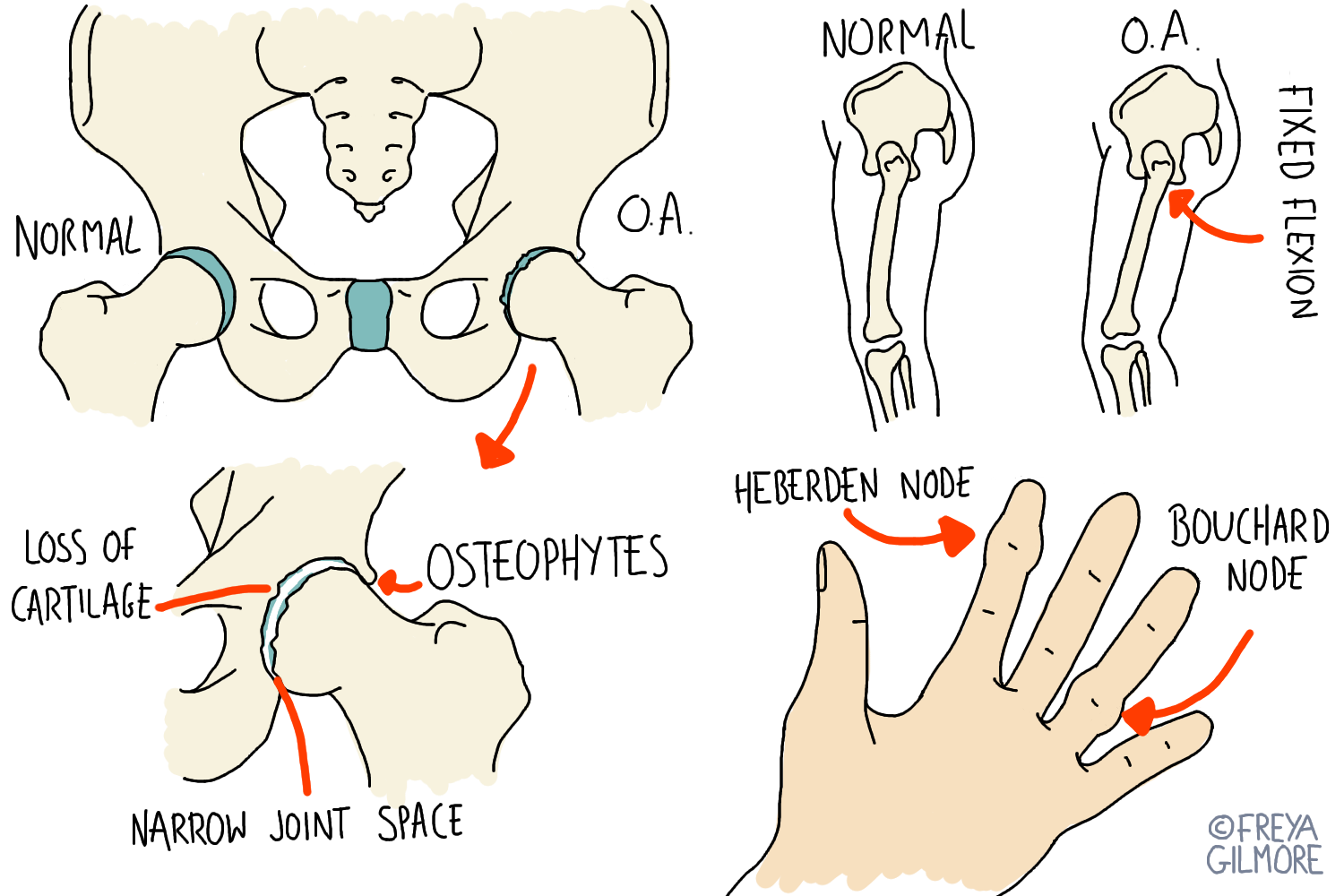
Osteoarthritis (OA) can affect any joint with cartilage inside. Two commonly affected joints are the hip and knee. You can read more about the process of osteoarthritis here.

Knee Arthritis

There are actually three joints in the knee, and any one of them can develop OA. The main joint is the big hinge joint between the thigh and shin bone. OA is an issue of cartilage, and there is plenty of it in this joint. Beyond the usual cartilage coating the bones within the joint, there are two additional pieces in each joint. These are the menisci, and their role is to support the joint by providing a better connection between the bones.

The second joint in the knee is the patellofemoral joint: where the knee cap meets the rest of the knee. This can also be subject to arthritis. The joint is quite often overworked, as it sits within the tendon for the quadriceps. If these muscles are tight, they put extra pressure on the joint and cause friction. Overuse like this is a factor in developing arthritis. Symptoms of patellofemoral arthritis can include:

  • Pain at the front of the knee

  • Pain on going up and down stairs or ramps

  • Relief when fully straightening your knee

  • Aching in the front of the thigh

The third knee joint is on the outside, where the fibula joins the rest of the knee. This joint is small and is less likely to present a problem than the others, but your osteopath will consider it if appropriate.

Hip Arthritis

The hip can develop arthritis with very few symptoms until the late stages. Often the first sign is a loss of extension (moving your leg backwards). The body is good at adapting to this loss, and rather than challenging itself, it finds the path of least resistance. It tilts the pelvis so you can still move your leg back, but without using the hip to do so.

Hip arthritis is associated with compensation through the back and neck, which can ultimately cause the development of more arthritis in these areas.

One of the most common joints to be replaced is the hip. Contrary to popular belief, this is not the only outcome for people who develop arthritis in the joint. In the early stages, it may even be possible to reverse some of the damage if you can achieve better movement through the hip. The more progressed the condition, the more likely you are to be considered for surgery, so early action is key.

Osteopathy for Osteoarthritis

Your osteopath is qualified to help with your arthritis. We can help to improve the movement in the joint, which will allow the body to get as much nutrition as it can to the area. We will also look at any compensatory patterns that have developed elsewhere in response to the arthritis. Preventing and managing new symptoms may be realistic treatment goals for you.

Click here to make an appointment in Naas for your arthritis.

Plagiocephaly

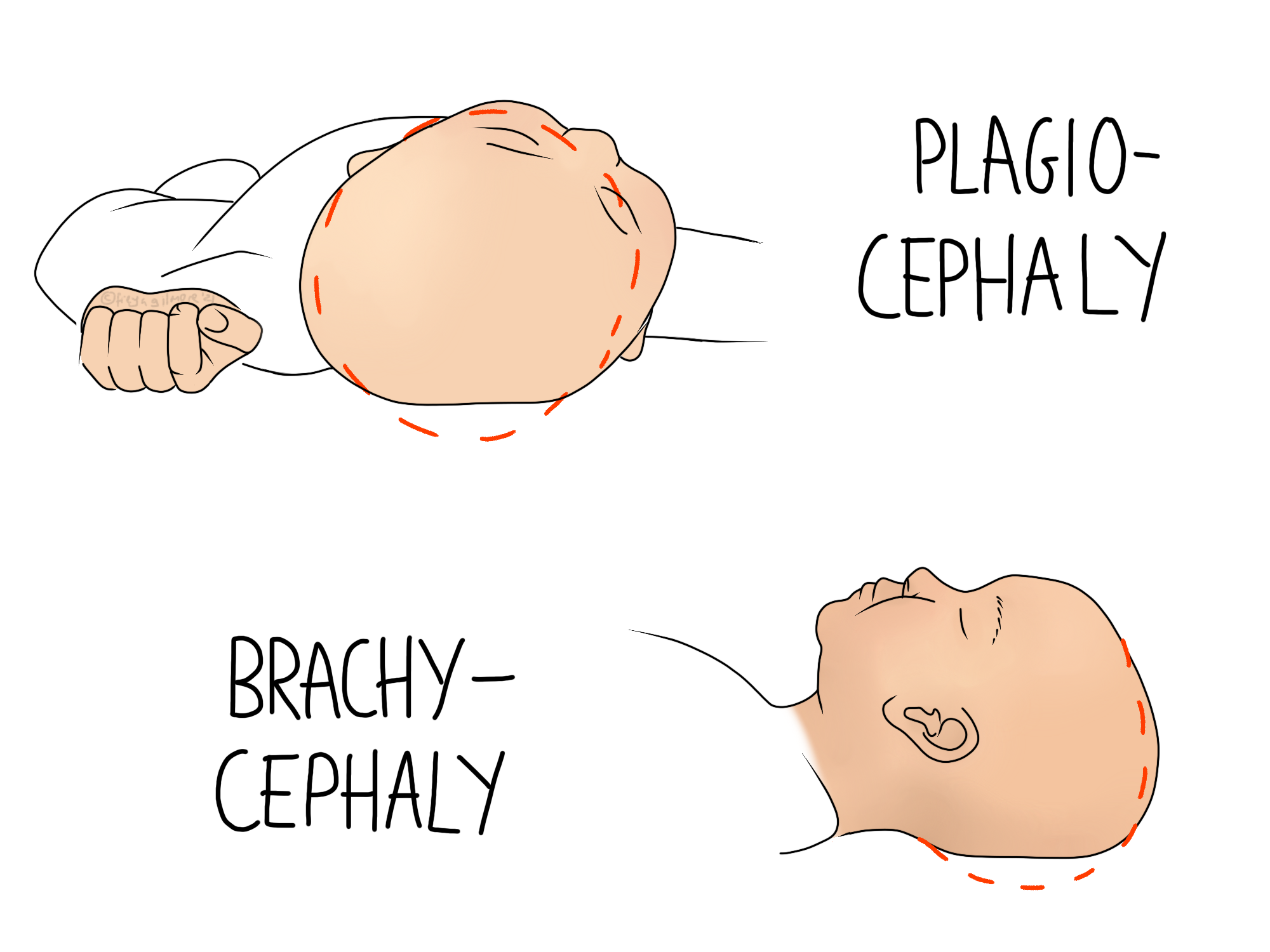
Plagiocephaly refers to a misshapen head in infanthood. This is typically not something that a baby is born with, but develops in the early weeks of life. More specifically, plagiocephaly is when one side of the head becomes more flat than the other. If the back of the head is flatter than normal, it is brachycephaly.

It may coincide with torticollis, where muscles in one side of the neck are tight. This can limit movement, and encourage baby to keep their head turned to one side. As a result, the same side of their head is always in contact with the surface upon which they are laying.

Anatomy

The skull is made of a number of flat bones, and in adults they are strongly connected by joints known as sutures. Unlike ball-and-socket joints or hinge joints, these are not made for movement. Newborns have a lot of growing to do, so their skull bones are soft and the joints are made of cartilage.

Repeated pressure on one joint or bone will cause a change in shape.

Effects of Plagiocephaly

Plagiocephaly is not a painful condition, and in most cases there is no effect on the brain. The NHS recognises that very few children are teased at school due to their head shape- most cases improve on their own over time, and hair will disguise it to some degree.

Research is sparse, but some scientists link plagiocephaly to developmental delays. This study does not clearly identify whether the children in question also had craniosynostosis, which is a more serious cause of plagiocephaly.

Your osteopath will be looking for signs of craniosynostosis. Whereas plagiocephaly and brachycephaly are relatively benign and caused by positioning, craniosynostosis is a rare condition of the joints in the skull. Symptoms can initially be identical to those of plagiocephaly- the head may be asymmetrical or their forehead might be particularly prominent. In craniosynostosis, the joints of the skull fuse early. This is more evident when the baby is slightly older, as their soft spot may become solid before their first birthday. Not all cases need intervention, but more severe ones need to be referred on.

Treating Plagiocephaly

More severe cases are typically managed with a helmet. This is a tailor-made device that needs to be worn nearly 24 hours a day to reshape the head. In contrast, the most mild cases might be left to resolve themselves as the head grows and baby becomes more mobile.

It is important not to react to a diagnosis by sacrificing safe sleep. Current guidance is to put your baby to sleep on their back, as this position has the lowest association with infant mortality. Whereas a baby sleeping on their front is more likely to suffer SIDS, a flat head is not life-threatening.

Osteopathy can help if the root cause is tightness in the neck. Some babies are at higher risk of plagiocephaly because of a reluctance to lay on their front. This may be due to reflux, or sometimes a musculoskeletal issue, such as muscle tightness, that we can help with.

You can book an appointment in Naas with our paediatric osteopath here.

Osteoarthritis

Osteoarthritis (OA) is a condition that affects most of us eventually. We used to think of it as "wear and tear" of joints, but now we know there's also a "repair" element to it.

What happens in Osteoarthritis?

OA is a condition of cartilage. Cartilage cushions almost all of our major joints, but it has a poor blood supply. This means that it relies on nutrient exchange from surrounding fluid to stay healthy.

It's easier for cartilage to receive nutrients and flush out waste if it goes through compression and decompression. You can imagine it as a dirty sponge in clean water: pump it enough and it'll come out clean.

Early stages

During the early stages of osteoarthritis, the cartilage stops being properly pumped. This may be subconscious, and it may be the body's attempt at protecting itself from pain or injury. If this is not addressed, the cartilage begins to become unhealthy.

As the cartilage becomes more unhealthy, you may find there is more discomfort. This encourages further compensation to take pressure off the sore joint. Unfortunately, this means the cartilage is still not being pumped, and the cycle is not being broken.

The rest of the body continues to adapt, often without you noticing. If the hip is affected, your posture might change so you don't have to use the painful range of movement. This causes compensation elsewhere, leading to a hunched posture. Over time, this can also cause problems in the lower back and neck as their demand increases.

Late stages

If OA is not addressed, the cartilage continues to decline. The surface of the joint becomes more rough, and pieces of cartilage may become loose. Lost cartilage can be replaced by bone, and bone might grow around the edge of the joint, forming a "lip" visible on X-Ray.

By now, the joint is likely symptomatic. Crunchy, painful, or limited movement can all be signs of osteoarthritis. The body continues to try and protect itself, limiting movement by tightening surrounding muscles. It is not too late to seek treatment, as further restriction of movement will only speed up the degenerative process.

Beneath the cartilage, cysts can form within the bone. At this point there is only so much that can be done with manual therapy. By now, the joint is likely to be significantly painful, and a joint replacement may be the best course of action.

How can OA be treated?

The good news is that manual therapy has been proven to be effective in improving pain and mobility in arthritic joints. Thinking about how OA develops, it makes sense that hands on treatment and exercise would help.

Your osteopath can spot the early signs of osteoarthritis, possibly even before you have. In very early cases it may be possible to fully restore the health of the joint.

For most patients, treatment involves work to get the joint to a comfortable level, then exercises and longer term management to keep it happy. If there have been compensations elsewhere in the body, these can be addressed too.

Nip your osteoarthritis in the bud. Make an appointment in Naas here.

Reflux and Silent Reflux in Babies

New parents expect their baby to regurgitate a fair amount of their milk or formula in the early days. But there is a line between the normal spit-up and reflux.

What is Reflux?

Reflux in both adults and babies, is the return of stomach contents through the sphincter between the stomach and oesophagus (food pipe). Babies are particularly prone to this as their sphincter is less developed than that of an adult. This is why the vast majority of young babies spit up frequently- although this is typically outgrown relatively quickly. Babies with low muscle tone may be more predisposed to developing reflux. Reflux in adults is often associated with diaphragm dysfunction- osteopaths can help with this. Some babies may also have tightness in the diaphragm alongside their reflux.

There is a grey area between spit up and reflux. Generally speaking, if the baby is upset by their regurgitation, we need to start thinking about reflux.

When considering reflux, bear in mind that it is difficult to measure by eye the amount of fluid regurgitated. Try dropping a tablespoon of yogurt on a surface and you’ll see that it looks like a lot. You can gauge better the amount of food baby is taking on board by monitoring weight gain, and production of wet and dirty nappies.

Symptoms

The tissue that makes up the oesophagus is not equipped to deal with stomach acid. The alternative name we give it in adults (heartburn) describes the sensation well. Babies may not be able to communicate their discomfort in a particularly precise way, but there are a few clues.

During a feed, a baby with reflux may continually latch and unlatch. This may coincide with gulping air or burping. Alternatively, baby may cough a lot while feeding. Increased fussiness after feeding, especially if laid down soon after a meal, could also be a sign.

The textbook sign of infant reflux is the arching back (illustrated). Combine this with the other signs mentioned above and it should definitely be considered.

Silent Reflux

Silent reflux is so named because of its more subtle symptoms. Here, the stomach contents re-enters the oesophagus, but is not expelled from the body. It may not even reach the mouth, but that doesn’t mean it is not a problem. The irritation comes from stomach acid returning through the sphincter at the top of the stomach. Regardless of how much further it travels beyond this, the irritation has occurred.

When To Seek Help

Sometimes reflux can be a sign of something more serious. You should seek urgent medical attention if any of the following apply:

  • there is blood in baby’s vomit or faeces

  • baby is inconsolable

  • baby can keep no fluids down at all

  • their abdomen is distended or tender

  • they have a fever alongside reflux symptoms

  • their sick is yellow or green

You should also contact your doctor if baby’s weight gain is not as expected, or if symptoms persist after their first birthday. Symptoms typically resolve spontaneously in the first year of life.

To book an osteopathic appointment in Naas, click here.

Osteopathy in Pregnancy

The body goes through changes at an unprecedented speed during pregnancy, so symptoms of lower back pain are unsurprising. However, you do not need to suffer through them.

Hormonal Causes of Back Pain

From early in the first trimester, the body begins to produce higher levels of the hormone “relaxin”. The purpose of this hormone is to increase movement within the pelvis by relaxing the ligaments around it in preparation for birth. Sometimes lower back pain can be one of the first signs of pregnancy for this reason.

Hormone levels peak again in the third trimester, at which point back pain may return or develop for the first time. If the joints of the pelvis are painful, they may be worse when:

  • turning over in bed

  • getting up from sitting

  • walking

Your osteopath cannot reduce the effects of the hormone itself, but we may be able to help your body cope better with the changes.

Although effects of relaxin may be focused to the pelvis, there are systemic changes too. Relaxin affects the permeability of blood vessels, which can cause fluid retention. This may be mild, and only recognised later on when rings no longer fit comfortably. Alternatively, it may be significant, even causing carpal tunnel syndrome.

Mechanical Causes of Back Pain

As the baby bump develops, the centre of gravity shifts forwards. In order to keep balanced, posture needs to adapt. The typical adaptation is an increase in the curve at the bottom of the back. Directly, this encourages the muscles of the lower back to shorten and tighten. We also expect to see tightness in the buttock and hamstring muscles as they work to keep you upright.


When the lower back arches more than usual, the demand on the rest of the spine changes. The upper back may become stiff, and the angle of the neck needs to change to keep the head level. Some treatment methods are inappropriate during the later stages of pregnancy, but your osteopath will adapt their plan for you. Increasing movement through the neck and upper back, as well as managing associated muscle tightness can make all the difference.

More Severe Pelvic Joint Pain

SPD stands for Symphysis Pubis Dysfunction, which can be agonising. In this condition, the combination of hormonal and mechanical changes causes irritation of the large cartilage joint at the front of the pelvis. If left unmanaged, this can impact birth itself, as birthing positions with legs apart are not recommended. Some women also require the use of crutches during the later stages of pregnancy. Symptoms may clear up spontaneously at birth, but there are things we can do to help you manage in the meantime.

Make an appointment online to manage or prevent back pain in pregnancy.

Naas Osteopaths - Reflux and your baby

What is Reflux and should you be concerned?

Reflux is a common occurrence in baby’s and normally begins around 8 weeks of age and gradually improves as the baby gets older. Reflux occurs when some of the contents of the baby’s tummy return back up into their mouth. This usually occurs because the baby’s food pipe (oesophagus) is still growing and developing. The ring of muscle at the bottom of the oesophagus develops over time and this will prevent stomach foods from leaking out. It is a common and usually affects up to 40% of babies.

Signs and symptoms

Your baby may show no signs or they may show the following signs

- Regurgitating or spitting up milk during or after feeds.

- Refusing feeds, choking or gagging.

- Continuing hiccups or coughing.

- Excessive crying or crying while feeding.

- Repeated ear infections.

There is no real concern about reflux if your baby is feeding well, happy and gaining weight as normal.

When should i seek medical advice

Contact your GP, public health nurse or midwife if reflux starts after 6 months of age and continues beyond 1 year, or your baby has any of the following problems:

  • Spitting up feeds frequently or refusing feeds.

  • Coughing or gagging while feeding.

  • Frequent projectile vomiting.

  • Excessive irritability or crying.

  • Green or yellow vomit

  • Vomiting blood.

  • Blood in their faeces or persistent diarrhoea.

  • Swollen or tender tummy.

  • High temperature (fever) of 38C (degrees Celsius) or above.

  • Failure to gain much weight, or losing weight.

  • Arching of their back during or after a feed, or drawing their legs up to their tummy after feeding.

Osteopathy For Your Baby

Whilst reflux can be a common problem for babies it can also prove to be a distressing time for both mother and child. A careful expert assessment can often find where troubles occur with feeding and offer advice on what can be done about it.

This can often be common sense advice or working in conjuction with other professionals like the lactation consultant and tongue tie specialists. Osteopathy may help the neck and diaphragm of baby relax, so that feeding time is more comfortable and efficient. The digestive system generally responds to soothing and relaxation , so that milk is naturally absorbed and processed.

A combined professional approach can often lead to a breakthrough for feeding comfort and success, allowing parents and baby to relax. To find out more information get in touch with us at Naas Osteopaths by emailing us at info@naasosteopaths.ie